
Daily contact lens habits that protect your eyes
Practical routines for wearers in Indonesia — replacement schedules, hand and case hygiene, comfort, and follow-up care, written in plain language you can act on this week.
Most lens problems start before the lens, not in the eye
A case rinsed with tap water. A daily lens worn for one more day. Falling asleep on the couch with lenses still in. Those small decisions, repeated, are what bring wearers to a problem visit. Bright Focus Way collects the routines that keep contact lens wear comfortable and low-risk in a country where humidity, long commutes, air conditioning and a busy week all work against a careful habit.
Nothing here replaces your eye-care professional. Everything here helps you turn up to your next visit with better habits already in place — and with the right questions to ask.
What this site covers
- Replacement cycles for daily disposables and reusable soft lenses
- Hand, lens and case hygiene with fresh contact lens solution
- Comfort, dry eye and overnight wear questions
- Makeup, travel, swimming and long screen days
- What a follow-up eye exam checks and when to book one
Start with the schedule, not the look of the lens
A lens that still looks clear is not proof it is still safe to wear. Daily disposables are designed for one day of use and then disposal. Reusable soft lenses follow a daily, weekly or monthly replacement cycle depending on the type your fitter selected. Stretching that cycle raises the chance of irritation and infection, and it rarely saves money once you count the cost of a problem visit.
Daily disposable soft lenses
One day of wear, then dispose
Reusable soft lenses, daily wear
Remove to sleep, clean every night
Reusable soft lenses, weekly or monthly
Count the days from opening, not from memory
Toric and multifocal soft lenses
Follow the cycle your fitter recorded
Rigid gas permeable lenses
Longer service life, different cleaning routine
Appearance is the wrong test for any of these cycles. The guide explains what to check instead.
Read the replacement schedule guide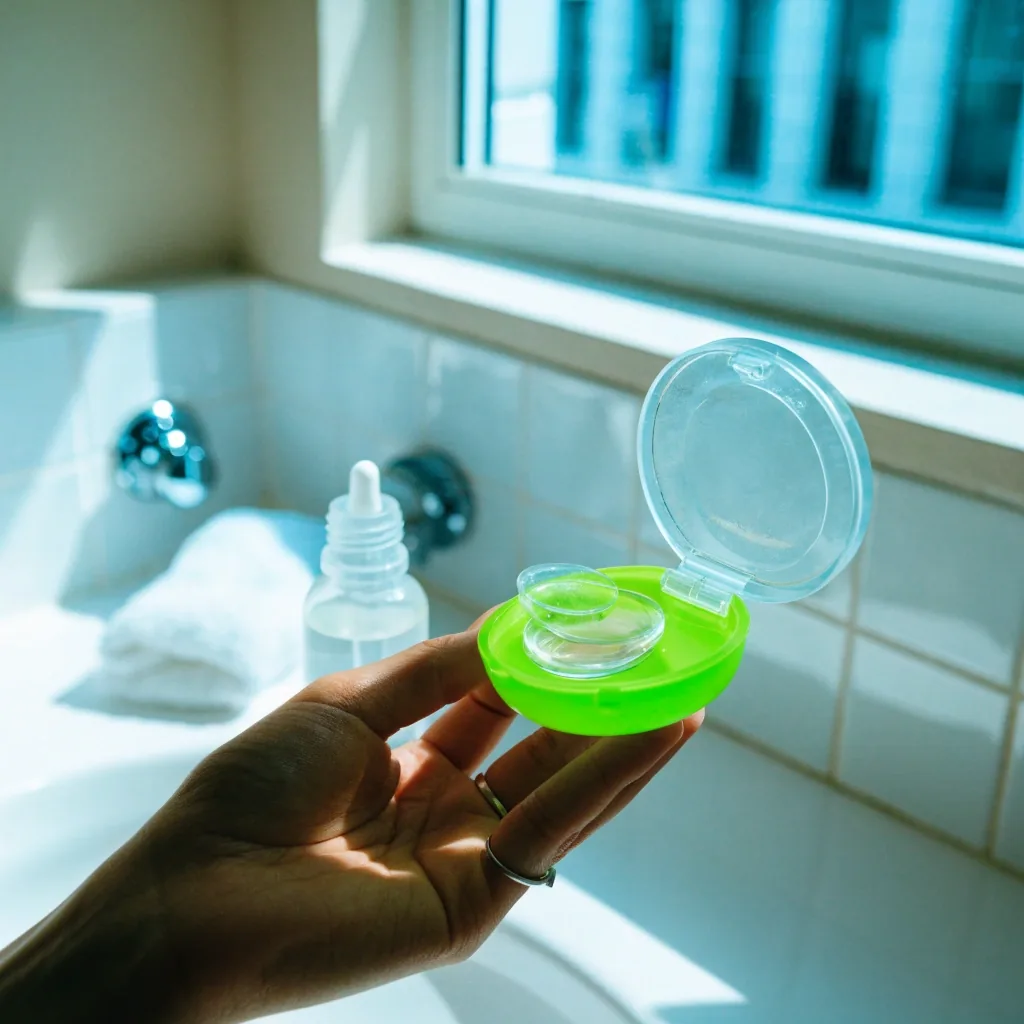
Reusable soft lenses and the routine they demand
Reusable soft lenses cost less per pair but ask for daily attention. Clean and disinfect with fresh contact lens solution, store them in a clean case, and never top up old solution in the case. Hand hygiene before every touch matters more than most wearers assume — a quick rinse is not the same as washing and drying your hands.
Step one
Wash and dry
Clean hands, dried on a lint-free towel. Wet hands transfer water into the case and onto the lens.
Step two
Fresh solution only
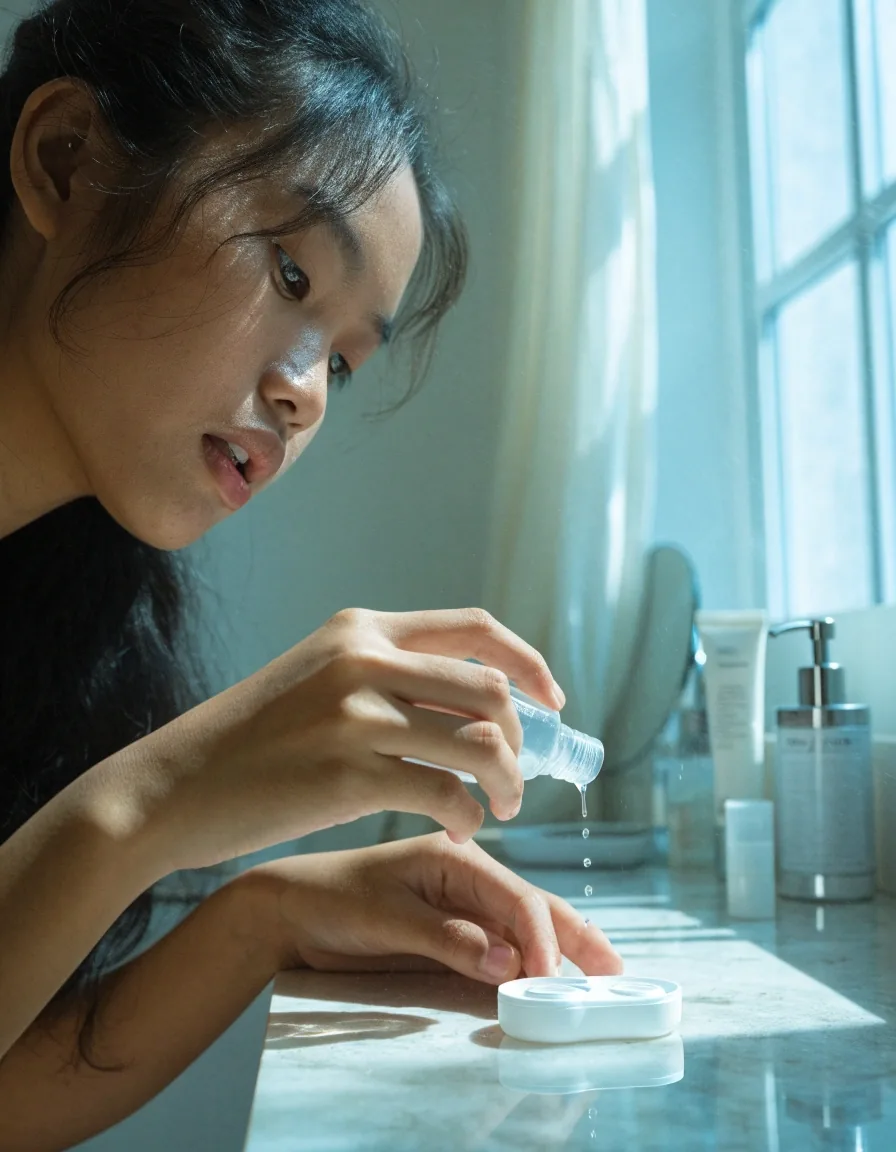
Rinse and disinfect with new solution every time. Topping up the old liquid leaves it working against you.
Step three
Clean case, closed lid
Empty, rinse and air-dry the case each morning, and replace it on the schedule your fitter suggests.
Know which lens type you actually have
Soft lenses are the common option, but the prescription inside them varies, and so does the care each one needs. Toric lenses correct astigmatism. Multifocal lenses handle near and distance focus in one lens. Rigid gas permeable lenses remain in use for certain prescriptions and suit some wearers who want crisp optics. Adaptation feels different between them, and so does the replacement cycle.
If you are not sure which you were fitted with, your prescription record or your fitter's notes will say. The comparison explains how to tell them apart and what each one requires day to day.
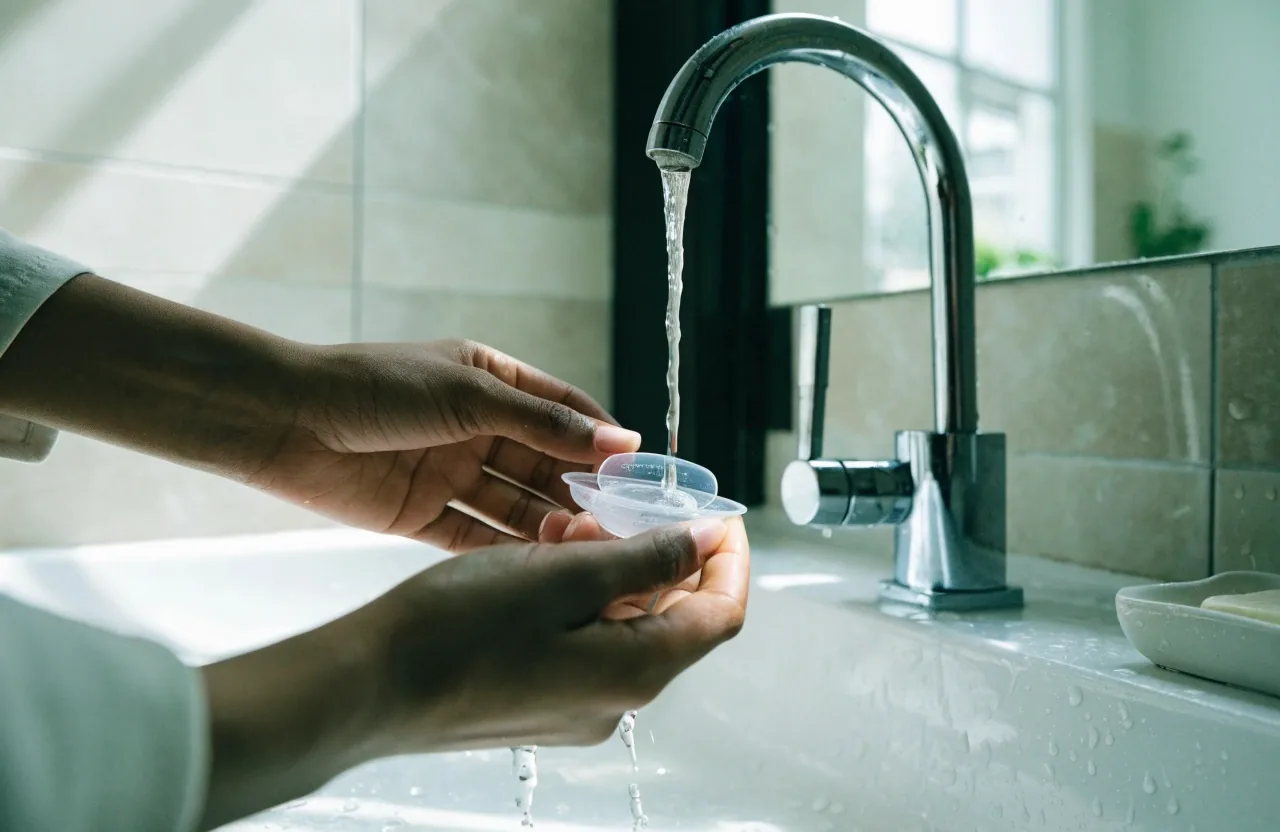
Reusable lenses need fresh solution in both chambers — every night, both sides.
Habits and situations that trip people up
None of these are exotic rules. They are the ordinary points where a careful week quietly falls apart — and each one has a straightforward fix.
Hand hygiene before every touch
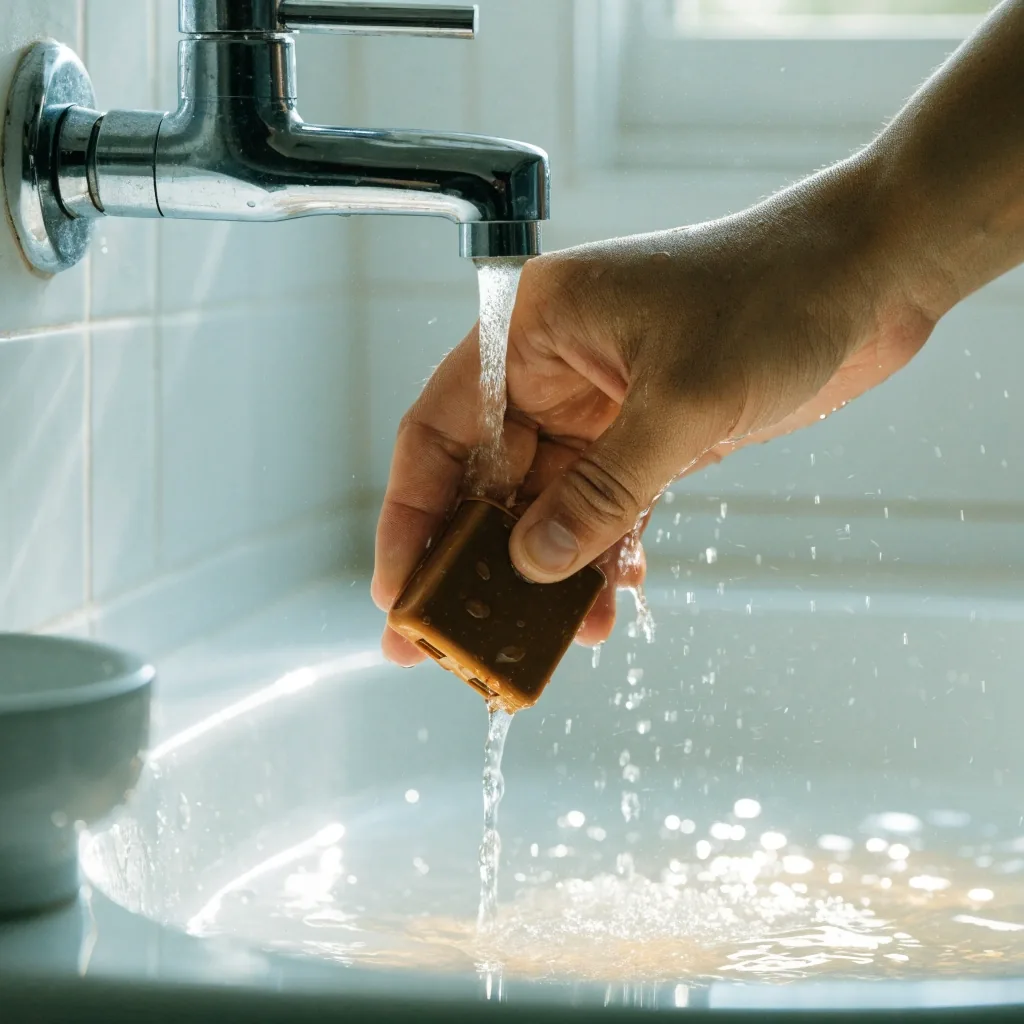
Soap, water, then dry. Damp hands carry water to the case, and tap water does not belong near a lens.
Lens case hygiene
Empty and air-dry it each morning. A closed, damp case is the least talked-about weak point in a reusable routine.
Sleeping in contacts
Generally discouraged unless your eye-care professional approved it. A short nap counts too — night wear raises infection risk.
Dry eye and end-of-day grit
Long hours in air conditioning often show up as late-afternoon discomfort. That pattern is worth raising at your next exam.
Makeup order
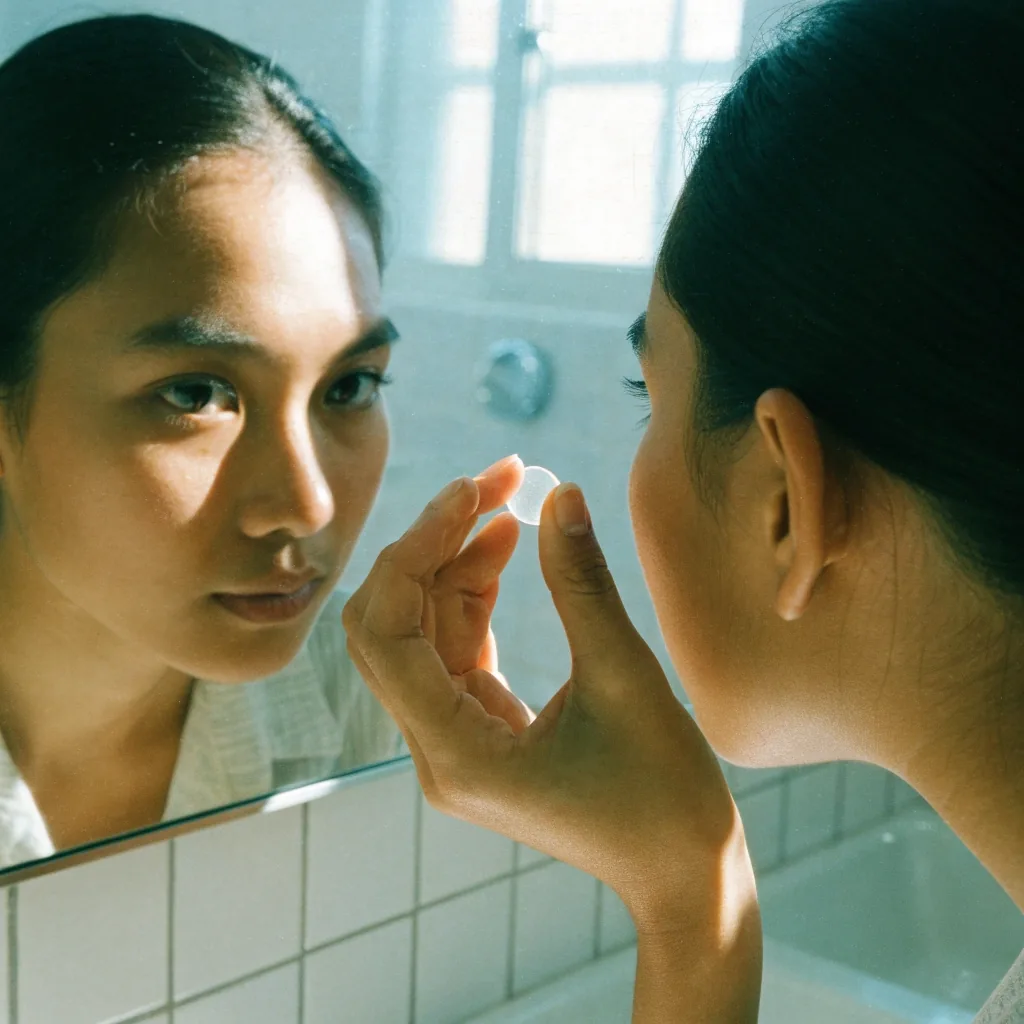
Insert lenses before makeup, remove them before taking makeup off, and keep creams away from the lash line.
Travel and swimming
Keep lenses and solution in carry-on, and don't swim or shower in lenses unless your professional specifically approved it.
Makeup, travel, swimming and long screen days, all in one place.
Comfort problems are information, not weakness
Dry eye, tired eyes and end-of-day irritation are common complaints, and they usually mean something in the wear plan needs to change. Sometimes wearing time needs to be shorter. Sometimes the lens material or the replacement cycle is the wrong match. Daily disposables are often discussed as a comfort-first option for sensitive eyes.
Indonesia's humidity is usually kinder to lenses than dry, heated indoor air, but long hours in air-conditioned offices and cars can leave eyes feeling gritty by late afternoon. Blinking fully, taking short screen breaks, and following your fitter's hydration advice all help.
A comfortable day, read as a curve
Comfort usually starts high, dips after lunch, and recovers after a break. Two or three dips a week in the same hours is a pattern, not bad luck.
Why overnight wear changes the risk profile
Sleeping in contacts is generally discouraged unless your eye-care professional has specifically approved it for your lenses. Night wear increases infection risk, and even a short nap counts if your lenses are not designed for overnight use.
Extended wear contact lenses exist and can be worn for longer continuous periods, but they still carry higher risk than strict daytime use, and not every lens is approved for sleep. The wear-habits page breaks down that difference.
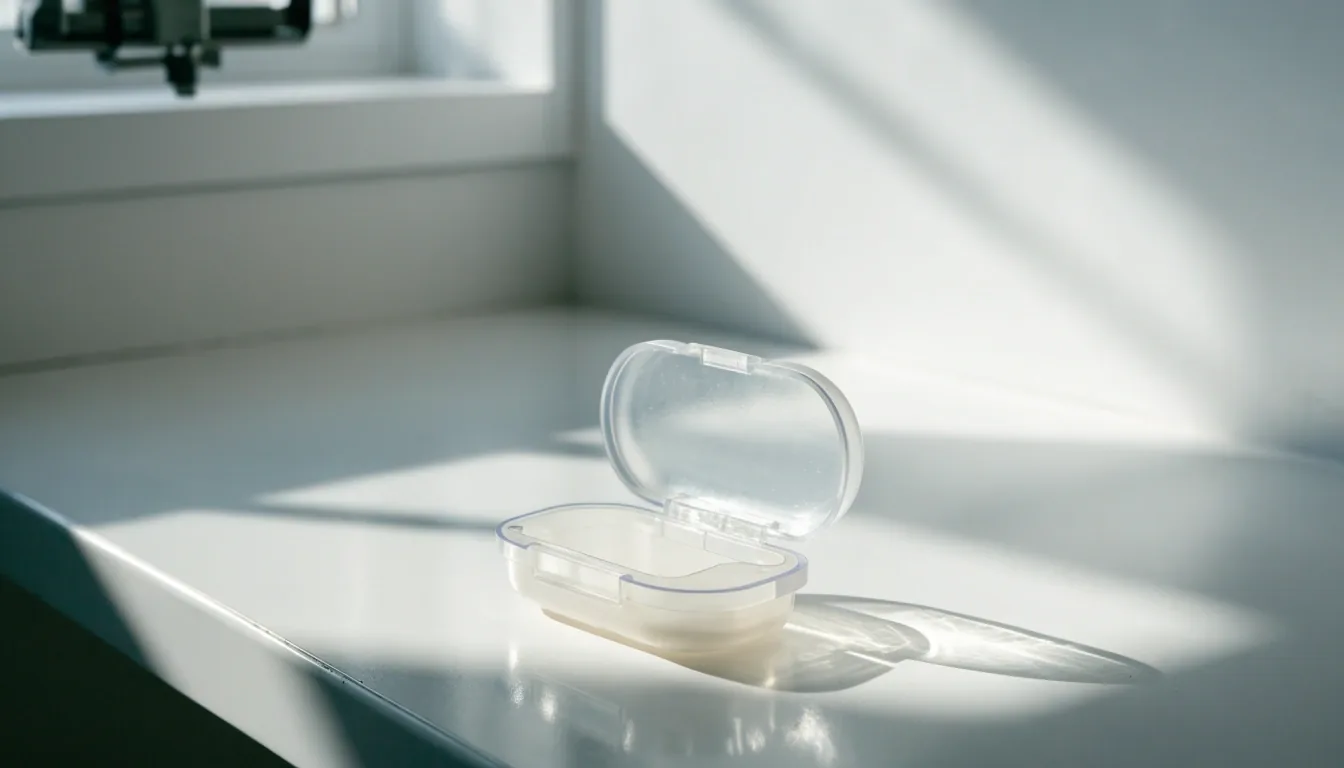
The overnight case: lids off, lens out. Daytime wear is the routine most eye-care professionals plan around.
Building habits that survive a busy week
Most wearers don't fail because they don't know the rules. They fail on the Thursday when they are running late and the case is dirty. Practical habits are the ones that fit your actual week — not a perfect one.
Start with one change this week. The list beside this paragraph is ordered by how much trouble each item prevents, not by how impressive it sounds.
Four habits worth building first
Spare pair in your bag
Restock solution before it runs out
A replacement reminder that isn't memory
A date for the next follow-up exam
A follow-up exam is part of the routine, not an emergency visit
Annual eye exams are commonly advised for lens wearers, and a good lens routine includes them. A follow-up exam checks lens fit, comfort and eye health, and confirms your current lens plan still suits you. It is also the right moment to raise small annoyances you have been ignoring — occasional redness, or a lens that never quite feels right.
Bring your current lens box, your solution, and roughly when you last replaced your case. That information tells your professional more about your routine than a description can.
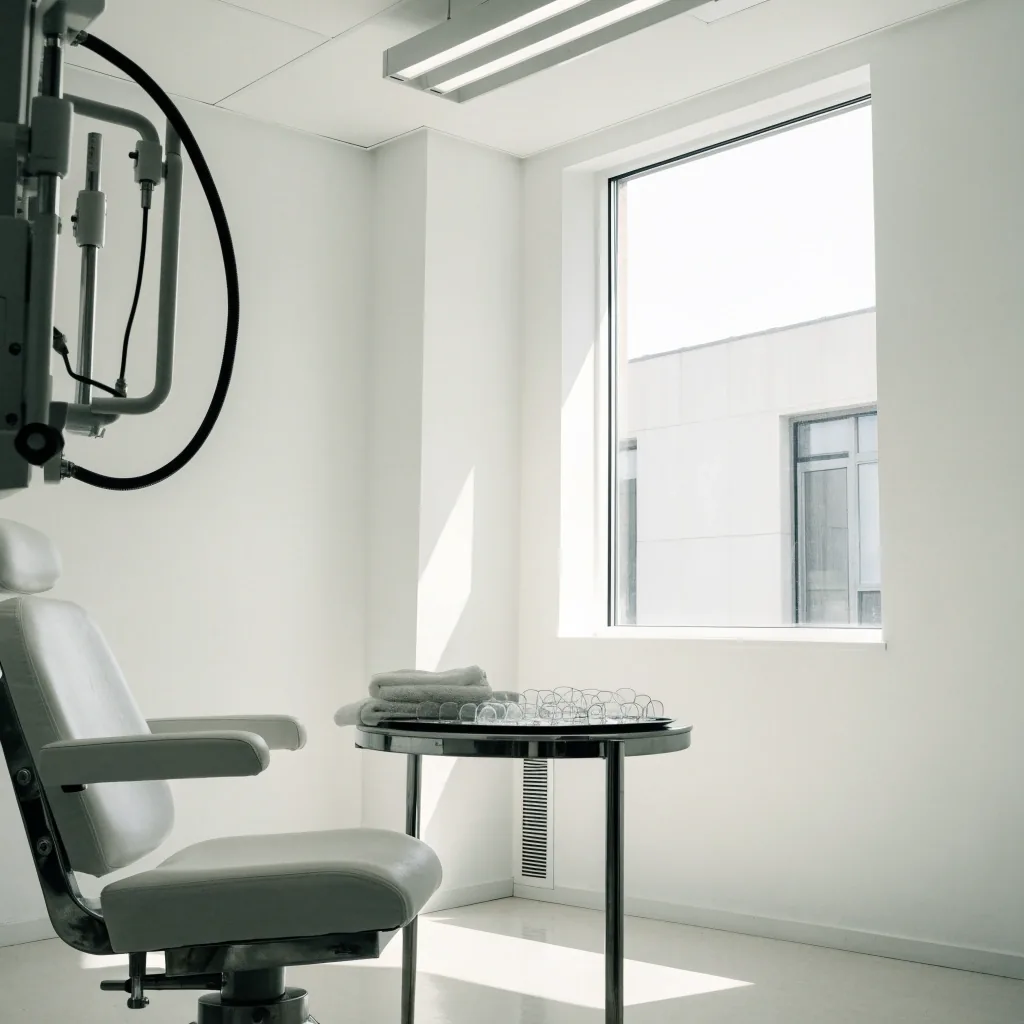
How to tell if your eyes are reacting badly
Mild, brief end-of-day dryness is one thing. The signals below are another. Knowing the difference is one of the most practical skills a lens wearer can build.
Remove and call
Redness that persists
Remove and call
Pain or tenderness in the eye
Remove and call
Light sensitivity that is new
Remove and call
Discharge from the eye
Remove and call
A sudden drop in comfort
Watch and mention
Brief dryness at the end of the day
The guidance pages repeat this advice on purpose. It is the single most useful habit the site can teach.
Questions wearers ask most
Short answers to the ones that come up first. If your question isn't here, the contact page reaches the people who write and review this site.
Can daily contact lenses really be worn only once?
Yes. Daily disposables are designed for a single day of wear and then disposal. They aren't meant to be rinsed, stored or reused, and they shouldn't be slept in.
Do daily lenses need solution or a case?
No. That's one of their main advantages. Daily disposables don't require solution or a case because there is no cleaning or storage step. Reusable soft lenses require both.
Is it safe to nap or sleep in contact lenses?
Sleeping in lenses is generally discouraged unless your eye-care professional has specifically approved it for your lens type. Night wear increases infection risk, and daily disposables should not be slept in at all.
Can I shower or swim while wearing contacts?
Tap water and pool water shouldn't come into contact with lenses. Unless your eye-care professional has approved it for your situation, remove lenses before showering or swimming.
How do I know if my eyes are reacting badly to lenses?
Persistent redness, pain, light sensitivity, discharge, or a sudden change in comfort are signs to remove your lenses and seek professional advice. Mild, brief end-of-day dryness is a different situation.
What is the correct way to clean reusable soft lenses?
Rinse and disinfect with fresh contact lens solution every time, store them in a clean case with fresh solution, and never use tap water or top up old solution in the case.
Who writes this, and how to reach us
Bright Focus Way is an educational resource, not a clinic and not a lens retailer. We publish plain-language guidance on daily contact lens wear, replacement schedules, hygiene and follow-up care, and we welcome corrections and topic suggestions from readers.
If a page here contradicts what your own eye-care professional told you, follow their advice first — then tell us so we can look at it.
Reach the site
- [email protected]
- Phone
- +62 21 5293 1949
- Address
- Jl. Kemang Raya No. 27, Bangka, Mampang Prapatan, Jakarta Selatan, DKI Jakarta 12730, Indonesia
- Hours
- Monday to Friday, 9:00 AM – 6:00 PM
Saturday, 9:00 AM – 1:00 PM
We read corrections and topic suggestions, and we reply during working hours.