
About Bright Focus Way
About Bright Focus Way and our lens guidance
Bright Focus Way is an educational resource about daily contact lens wear. We publish plain-language guidance on replacement schedules, hygiene routines, lens types, comfort, and follow-up care for readers in Indonesia and anywhere else our pages are useful. We are not a clinic, not a lens retailer, and not a substitute for the eye-care professional who fitted your lenses.
Where to find us
Bright Focus WayJl. Kemang Raya No. 27, Bangka
Mampang Prapatan, Jakarta Selatan
DKI Jakarta 12730, Indonesia
- +62 21 5293 1949
- [email protected]
- Monday to Friday, 9:00 AM – 6:00 PM
Saturday, 9:00 AM – 1:00 PM
Why this site exists

Most lens problems trace back to a small set of habits, and most of the information available online is either thin or written for retailers. We wanted a single place that explains the routine clearly: what to do daily, what to replace and when, and which situations need extra care. The niche vocabulary is specific, so we use it directly rather than watering it down.
That means we talk about cleaning solution rather than "care products", about a monthly lens rather than a subscription, and about removing a lens before your shower rather than "good eye hygiene". Readers who already know the words should recognise their own routine here; readers meeting contact lenses for the first time get the same information without being talked down to.
- Daily routine
- Hands, lens, solution, case — the same order every day.
- Replacement
- Break the schedule and the lens stops behaving as designed.
- Follow-up
- Exams catch a fit that stopped working months ago.
Who we write for
Everyday wearers, not clinicians and not shoppers. If a page reads as an instruction you could follow tomorrow morning, it is doing its job.
Our readers are everyday lens wearers, including people in Indonesia dealing with humid weather, dusty commutes, air-conditioned offices, and long screen days. Some are on their first pair. Others have worn lenses for years and want a second opinion on habits they have drifted into. Both groups get the same treatment: practical guidance with the reasoning attached.
- First-time wearers learning the daily routine from zero.
- Long-term wearers whose habits have quietly slipped.
- People in humid or dusty cities wondering why a lens feels different here.
- Anyone who wants the reason behind a rule, not just the rule.
- Wearers preparing questions before an eye-care appointment.
- Readers comparing what a page here says with what they were told at the counter.

How we research and write
We build each page around established lens-care principles: replacement schedules set by lens type, hygiene steps for reusable lenses, the reasoning behind water exposure rules, and the role of regular follow-up exams. We describe the reasoning rather than asking readers to take a rule on faith. Where guidance varies by lens type or individual fit, we say so instead of flattening it into one answer.
A typical drafting pass starts with the questions readers actually send us, then narrows to the parts of the routine that are most often skipped or misunderstood. We write the explanation before the instruction, check that any claim about replacement timing or cleaning method matches what the lens type requires, and mark the places where a wearer's own fit changes the answer. Nothing about contact lens best practices is complicated once the reasoning is visible.
Example of the split we keep
A daily disposable is replaced because the material and the wear cycle are designed together, not because day three is dangerous. Writing it that way gives a reader a reason to keep the habit instead of a rule they can bargain with.
Editorial standards
We avoid claims we cannot support. That means no invented statistics, no made-up studies, and no product rankings. We do not publish before-and-after material, since lens outcomes are individual and visual comparisons of the eye are not meaningful evidence. When a page touches on a medical decision, we point readers to their own eye-care professional rather than giving a directive.
Claims we can stand behind
If a number would need a source we cannot name, the number stays out. Pages carry explanation instead of borrowed credibility.
No rankings, no sponsorships
Brands are described by category, never scored. Nobody pays for placement, and no page exists to move a particular lens or solution.
Educational, not diagnostic
We explain what a symptom might relate to and stop there. Anything that needs an examination goes back to the professional who fitted your lenses.
What we do not do
Being clear about the limits is part of the guidance, not a legal footnote.
- We do not sell lenses or solution, and we do not recommend specific brands. No shop, no affiliate links
- We do not diagnose eye conditions or tell you which lens type to wear, because that depends on an examination we cannot perform. Your fit is yours
- If a page here disagrees with what your eye-care professional told you, follow their advice and let us know so we can review it. Practitioner advice wins
- We do not answer individual eye questions by email, and we do not offer an online fitting or prescription service. Book an exam instead
This site provides general educational information about contact lens care. It cannot assess your eyes, your fit, or your symptoms, and it should not be used to delay professional care. If something about your eyes feels wrong, remove your lenses and get advice. That is the one instruction we would repeat on every page if we could.
Corrections and reader input
We update pages when readers point out something unclear, outdated, or wrong. If you spot an error, tell us which page and what you expected to see. The same channel takes topic suggestions, which often shape what we write next. Reader feedback has been the source of most of our practical additions.
Useful corrections usually name the page and quote the sentence that reads wrong, plus what your own lens routine looks like if that is the part that differs. Questions about lens types, replacement timing, or a symptom you are worried about are also welcome — we may not answer every one, but the recurring ones become pages.

When a reader tells us a page reads wrong, this is the kind of detail we go back and check — the lens itself, its case, and the routine around it.
How the site is organized
The guidance pages follow the order of an actual lens routine: replacement schedules first, then hygiene and solution, then comfort and overnight wear, everyday situations, and follow-up exams. The lens types comparison sits alongside them for readers deciding what they have. You can read straight through or jump to the page that matches your question today.
Replacement Schedule & Wear Discipline
What each lens type is designed to last, how wear hours work, and why the calendar matters more than the comfort level.
Hygiene & Solution Routine
Hand washing, solution choices, case care, and the water exposure rules that keep reusable lenses working.
Lens Types Explained
Daily, monthly, and extended wear compared by schedule, material, and the situations each one suits.
Comfort, Dry Eye & Overnight Wear
Screen days, air conditioning, dry eye, and the honest answer about sleeping in lenses.
Everyday Situations: Makeup, Travel & Screens
Applying makeup around lenses, packing for humid travel, and managing long hours in front of a laptop.
Follow-Up Eye Exams
What an eye-care professional actually checks, how often to go, and the symptoms that should not wait for the next appointment.
Our limits, stated plainly
This page is written by people who read and edit lens-care guidance for a living. We are not an eye-care practice and nobody here examines eyes. What we can do is explain a routine clearly, point out where it usually breaks, and tell you when the next step belongs to someone with a slit lamp.
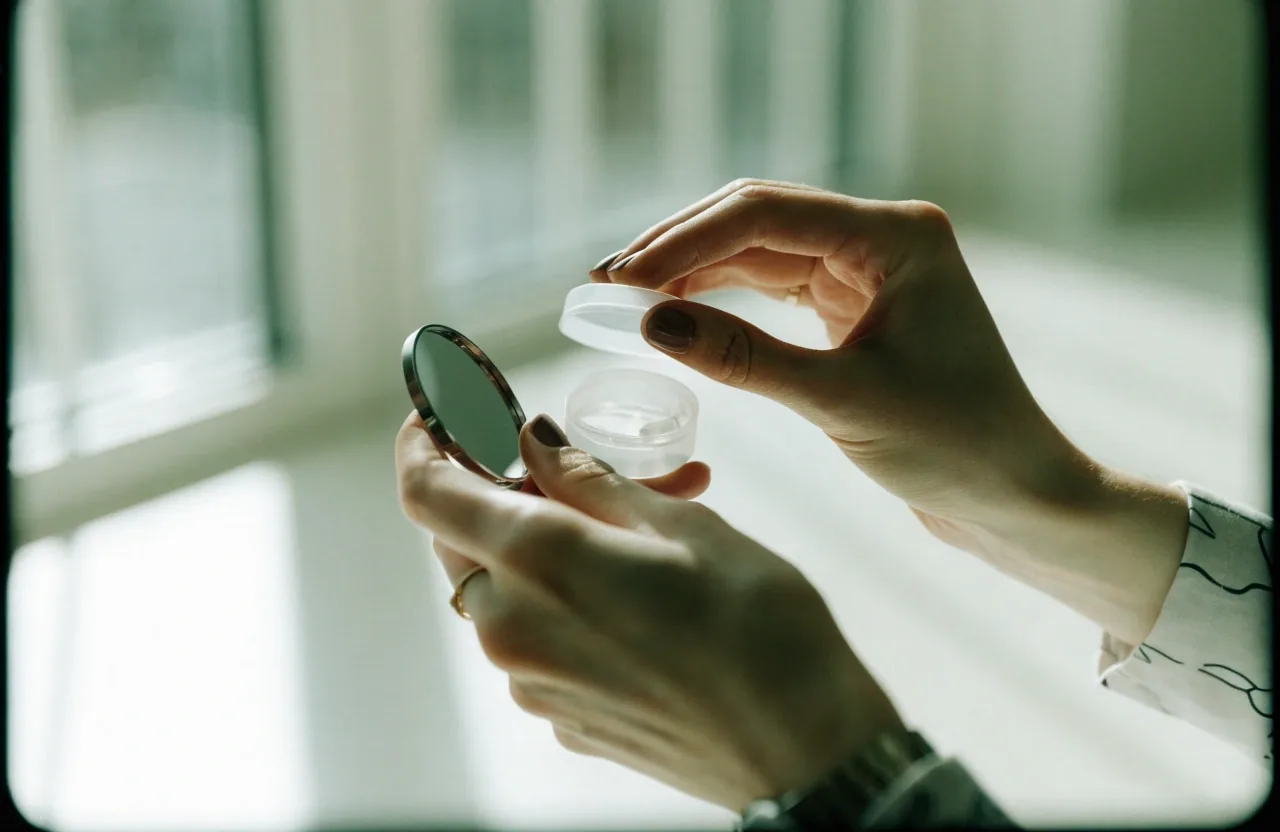
The place a lens question usually ends up: a bright room, a check of the fit, and a straight answer about what to do next.
Questions readers ask before they trust a lens page
Who actually writes these pages?
A small editorial team that reads lens-care guidance, follows how replacement and cleaning advice differs by lens type, and rewrites it for wearers instead of practitioners. Every page is checked by a second reader before it goes up, and corrections are logged when a reader points one out.
Are these pages reviewed by an eye-care professional?
The guidance is built around established lens-care principles and kept in line with what the lens types and care routines require. It is not a clinical protocol written for your eyes. Anything that depends on your own fit, your prescription, or a symptom you are having goes to the professional who examined you.
Do you recommend brands or sell lenses?
No. There is no shop on this site and no affiliate arrangement behind any link. When a page mentions a lens type, it describes the category — daily, monthly, extended wear — and what the schedule asks of you, not which product to buy.
How often is the content updated?
Pages are revised when a reader flags something unclear or when the way the routine is usually explained shifts. Small wording fixes happen as they are reported; a page that describes replacement timing or a cleaning step gets a careful second look before anything changes.
Can I send you a question about my own lenses?
Yes, and it often turns into a page. We can explain the general reasoning, but we cannot assess your eyes or your fit and will not try. If something feels wrong right now — pain, redness, blurred vision that stays — remove the lenses and contact your eye-care professional.
Where to go next
If you are new here, the replacement schedule is the most useful first read — it sets the timing everything else depends on. If you already have a routine and it has drifted, start with hygiene and solution, then check the comfort and overnight wear page against the way you actually use your lenses.
Bright Focus Way · Jl. Kemang Raya No. 27, Bangka, Mampang Prapatan, Jakarta Selatan, DKI Jakarta 12730, Indonesia · +62 21 5293 1949 · [email protected] · Open Monday to Friday, 9:00 AM – 6:00 PM and Saturday, 9:00 AM – 1:00 PM.