

Contacts with makeup, travel and screens
Lens care holds up fine in a bathroom and gets tested everywhere else. A makeup routine, a flight, a pool and a long screen day each carry their own small risks, and each one has a sequence that keeps lenses comfortable and clean.
Four everyday situations, four different rules
Almost all lens problems happen at the edges of a normal day: the ten minutes in front of a mirror, the hours in a plane cabin, a quick swim, a long afternoon at a screen. None of these situations rules out daily contact lens wear. They each call for a set order of steps.
The chapters below move through the same day most wearers actually have: getting ready, travelling, water, screens and the commute home. Read the one that matches your week first, then check the closing rules for the days when glasses are the better answer.
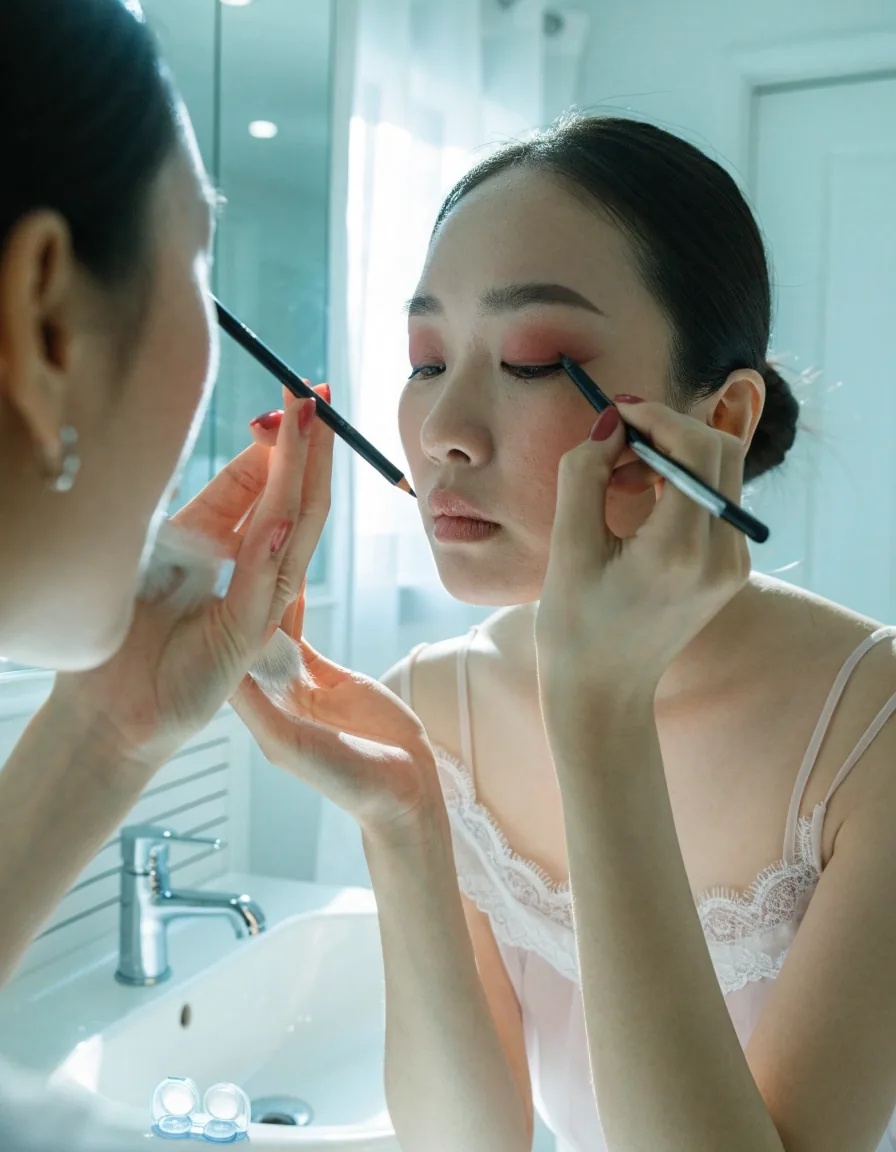
Insert lenses before makeup, remove before cleansing
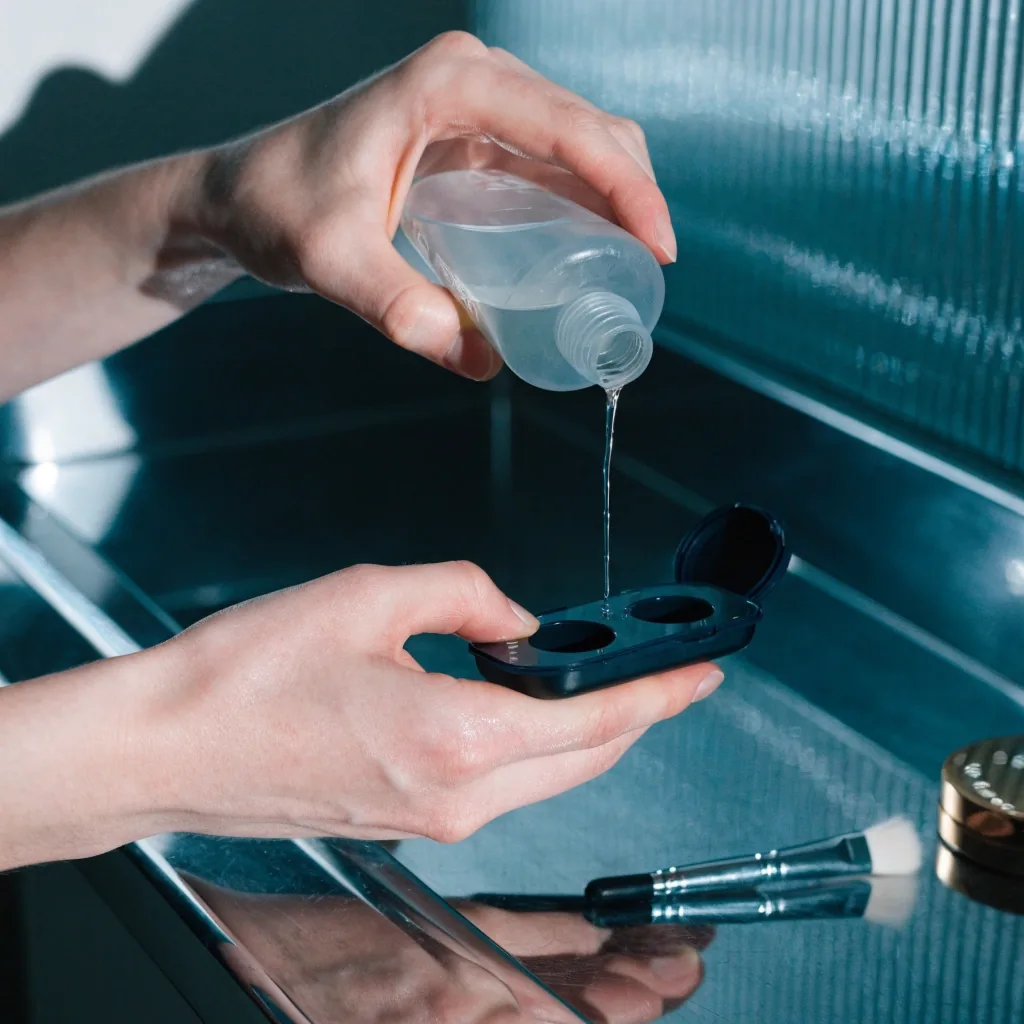
The order matters more than the product. Lenses go in before makeup and come out before makeup removal, so you are never handling a lens with product on your fingers.
Cosmetics, lotions and creams can irritate eyes and lenses, which is why eye-health guidance keeps returning to the same point: keep product away from the lash line and out of the eye. If something stings with the lens in, take the lens out rather than blinking through it. Rubbing an irritant around the eye moves it toward the lens edge, and a lens that has already picked up a cream will keep releasing it all day.
Makeup choices that cooperate with lenses
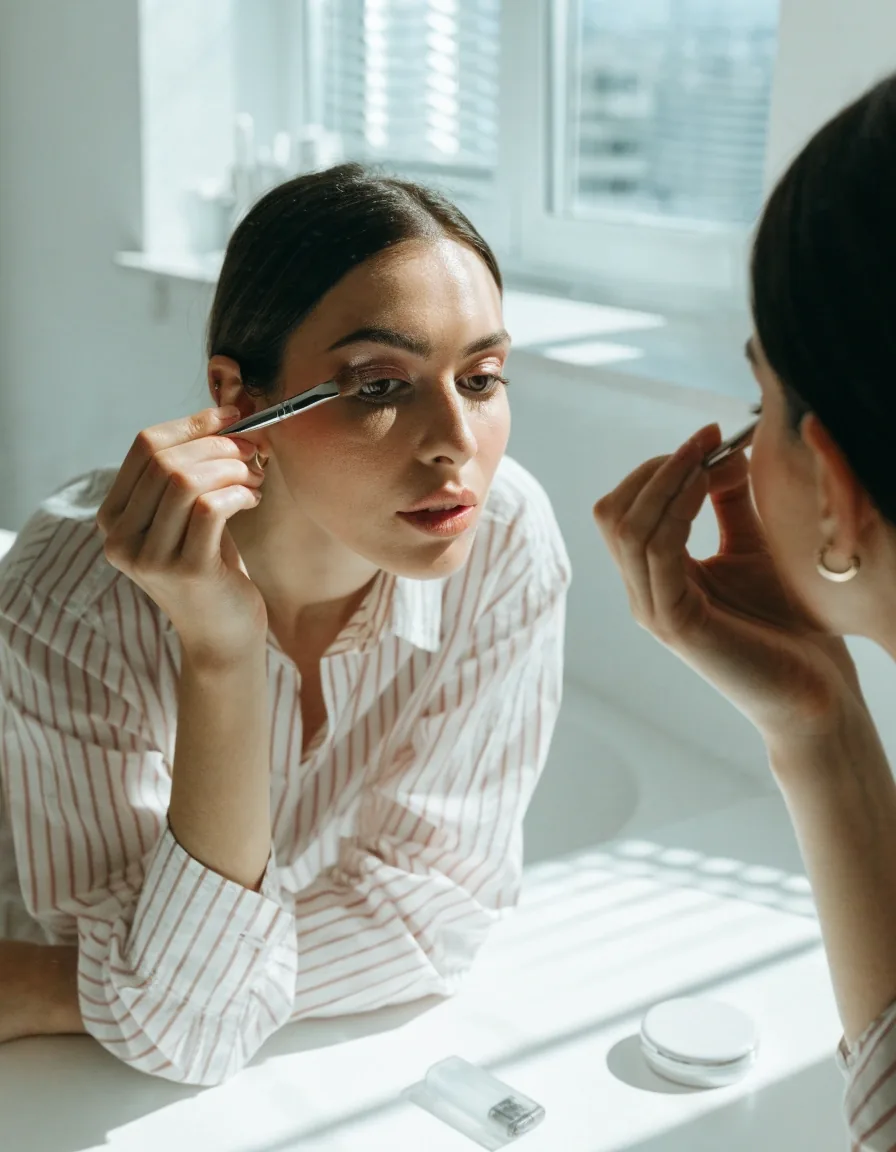
Cream-based eye products transfer more easily than powders, and loose powder can settle onto the lens surface. Waterproof mascara is harder to remove cleanly, which increases the chance of flakes near the eye. Replace eye makeup regularly rather than keeping it for years, and never share it.
If you notice irritation only on days you wear a particular product, that is your answer. Note the brand and the type, and pass it on at your next follow-up exam so your eye-care professional can judge whether the product or the lens fit is the cause.
Powder over cream
Pressed powder sets with less transfer onto the lens edge than a heavy cream shadow.
Skip waterproof
Mascara that takes force to remove also takes flakes near the eye. Regular formulas clean up faster.
Replace on schedule
Old eye makeup carries more bacteria. Treat the printed shelf life as the real date.
Never share tools
Borrowed liner and shared mascara wands move bacteria and irritants straight to the eye.
Travel days: pack the routine, not just the lenses
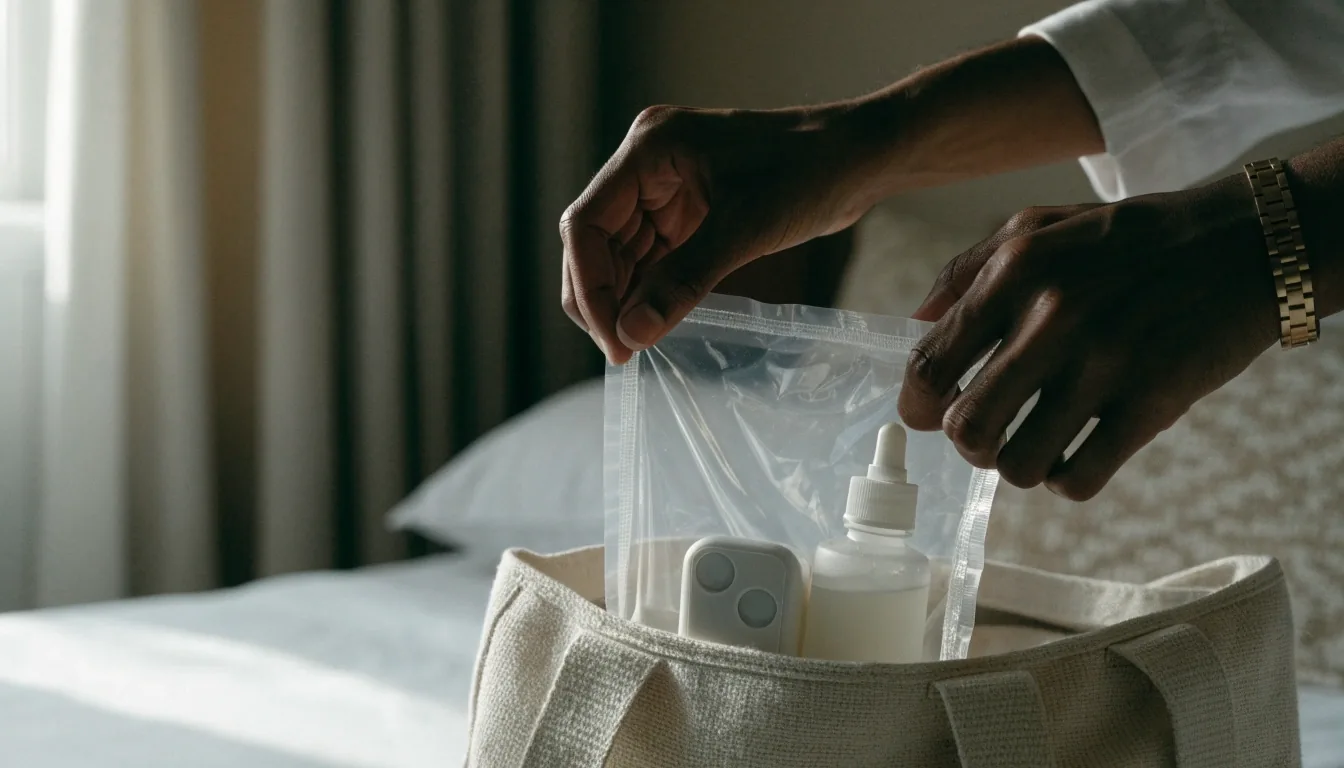
Pack lenses and contact lens solution in carry-on rather than checked luggage, in a sealed bag, and bring more than the trip requires. A delayed bag should not leave you improvising with tap water or a lens that has already outlived its replacement day.
Cabin air is dry, so comfort can drop on longer flights. Keep lenses clean, follow your fitter's advice on rewetting drops, and expect the last two hours of a long flight to feel different from the first two. If you are crossing time zones, keep your replacement schedule tied to your own clock rather than the local one so you do not lose track of which day a lens belongs to.
Carry-on only
Lenses and solution travel in the bag that stays with you.
More than you need
Add a spare pair or two for delays and extra days.
Your own clock
Keep the replacement day tied to home time, not local time.
Swimming and showering
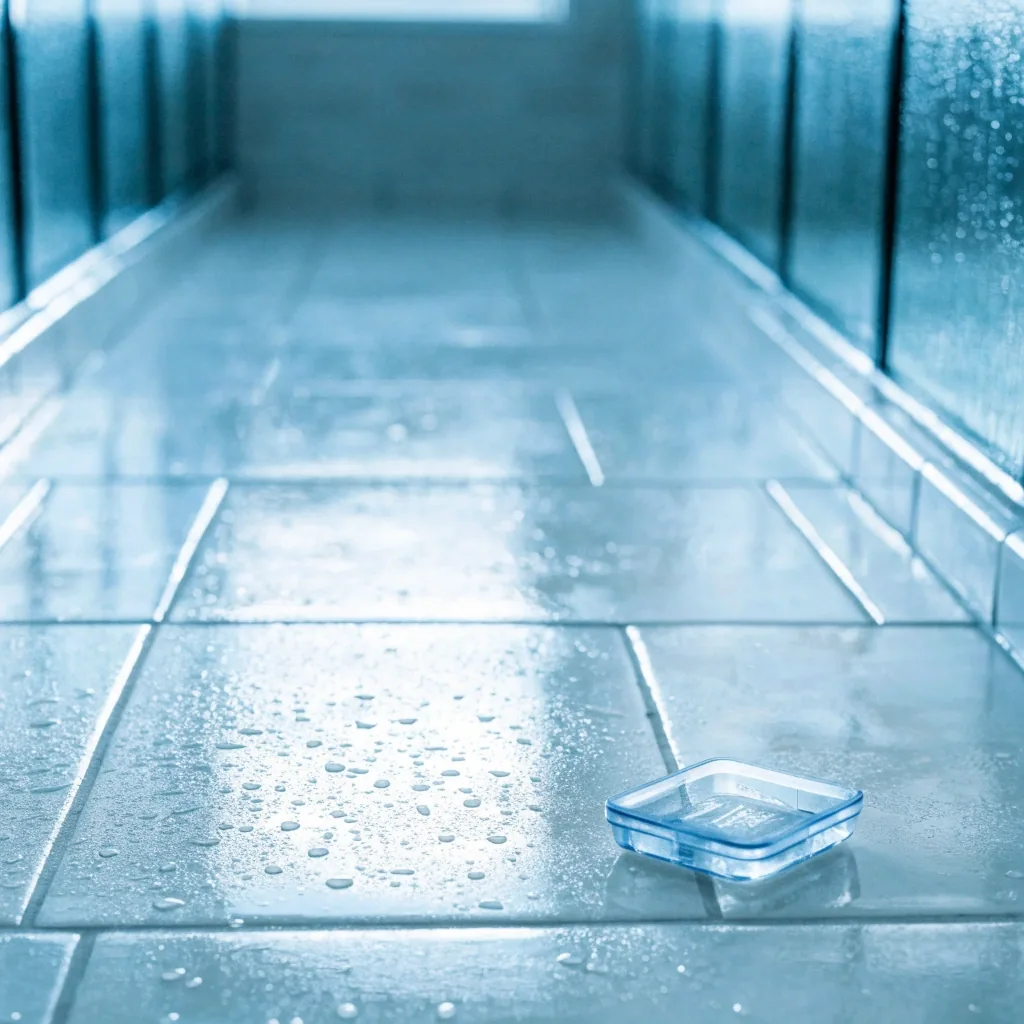
Pool water, sea water and tap water all carry organisms that can attach to a lens. That is why lenses are removed before swimming and showering unless your eye-care professional has specifically approved it. If water does get into your eye with a lens in, remove the lens and do not put it back.
Daily disposables make this simple: if a lens has met water, dispose of it and start fresh. Wearing goggles does not change the rule, because water still reaches the eye when you surface. If you swim often, plan the session around your lens schedule rather than the other way round.
If water gets in with a lens on
Remove the lens right away, do not store it back in the case, and do not reinsert it. Switch to glasses for the rest of the day and watch for redness or pain.
Long screen days
Screen work reduces blink rate, and reduced blinking is a direct route to end-of-day dryness. Take breaks before your eyes feel gritty rather than after, blink fully on purpose for a few seconds, and adjust your screen position so you are not staring upward.
If you wear lenses only for screens and they bother you by mid-afternoon, mention the pattern at your next follow-up exam. The timing of the discomfort is useful information: it separates a dry-eye pattern from a lens fit that needs changing. More on that sits on the comfort and overnight wear page.
Break before gritty
Stop on a timer, not on the first sign of dryness.
Blink on purpose
Full blinks, a few seconds at a time, spread the day.
Screen below eye level
Looking down keeps more of the eye covered while you work.


Dust, humidity and commuting in Indonesia
Humid air is generally friendlier to lenses than dry indoor air, but dust and pollution on a commute can leave lenses feeling gritty. Daily disposables are a practical match for this pattern because there is no overnight accumulation of whatever the lens collected during the day.
If you ride a motorbike in traffic, consider wraparound sunglasses or a helmet with a visor to reduce what reaches your eyes. Air-conditioned offices flip the problem the other way, so treat a long indoor afternoon the same way you treat a long flight: expect dryness and plan a break.
Exercise and sport
Lenses are often more practical than glasses for sport, but the same rules apply. Keep hands clean when handling them, and remove them before swimming. Sweat running into your eyes can carry irritants, so rinse your face carefully without letting water into the eye.

Before a session
Insert lenses with clean, dry hands and pack the case in the gym bag. If you swim as part of training, the lenses come out first and a spare pair goes in the bag for afterwards.
Contact sports
If you play a contact sport, ask your eye-care professional about the safest option for your prescription. Protection and lens choice go together, and that is a conversation about your sport, not a general rule.
When to break the routine entirely
Some days the right move is no lenses at all. If your eyes are red, painful or unusually light-sensitive, switch to glasses and get advice. A day in glasses costs nothing. Wearing lenses through a problem is how small irritation becomes a bigger one.
Keep a current pair of glasses within reach for exactly these days. If your prescription has changed since you last wore them, that is worth fixing before you need them.
Questions wearers ask most
Should I put in contacts before or after makeup?
Insert lenses before applying makeup, and remove them before taking makeup off. Keep creams and lotions away from the lash line and out of the eye, and if a product stings with the lens in, take the lens out first.
Can I swim with contact lenses in?
Unless your eye-care professional has specifically approved it, remove lenses before swimming. Pool, sea and tap water all carry organisms that can attach to a lens, and a lens that has met water should not go back in the case or back on the eye.
How do I handle lenses on a long flight?
Pack lenses and solution in carry-on, bring extra supplies, and expect cabin air to feel drying. Follow your fitter's advice on rewetting, and keep your replacement schedule tied to your own clock rather than the local one.
My eyes get gritty by mid-afternoon on screen days. Is that normal?
It is a common pattern: screen work lowers blink rate and dryness follows. Take breaks before the grit arrives, blink fully on purpose, and lower the screen so you are not looking upward. If it repeats most afternoons, raise it at your next follow-up exam.
Keep going from here
This page covers the situations. The pages below cover the routines that sit underneath them, and the follow-up visit where a repeating comfort problem gets looked at properly.
Bright Focus Way
Jl. Kemang Raya No. 27, Bangka, Mampang Prapatan, Jakarta Selatan, DKI Jakarta 12730, Indonesia
Monday to Friday, 9:00 AM – 6:00 PM. Saturday, 9:00 AM – 1:00 PM.
Send a question to the editorial team