
Comfort, dry eye and overnight wear habits
Discomfort is the most common reason people stop wearing lenses, and it is also the least mysterious. Dry eye reduces comfort, long wearing hours take a toll, and sleeping in contacts changes the risk picture in ways that daytime wear does not.
What dry eye feels like through a lens
Dry eye can reduce contact lens comfort, and wearers describe it in different ways: tired eyes, a gritty feeling, intermittent blur, or lenses that feel fine in the morning and heavy by evening. Symptoms tend to cluster around air conditioning, long screen sessions, and the late afternoon.
If your comfort follows a predictable daily curve — good at nine, scratchy at four — the pattern itself is the clue. It tells your eye-care professional roughly when the tear film is losing the fight, which is far more useful than a general note that lenses feel uncomfortable sometimes.
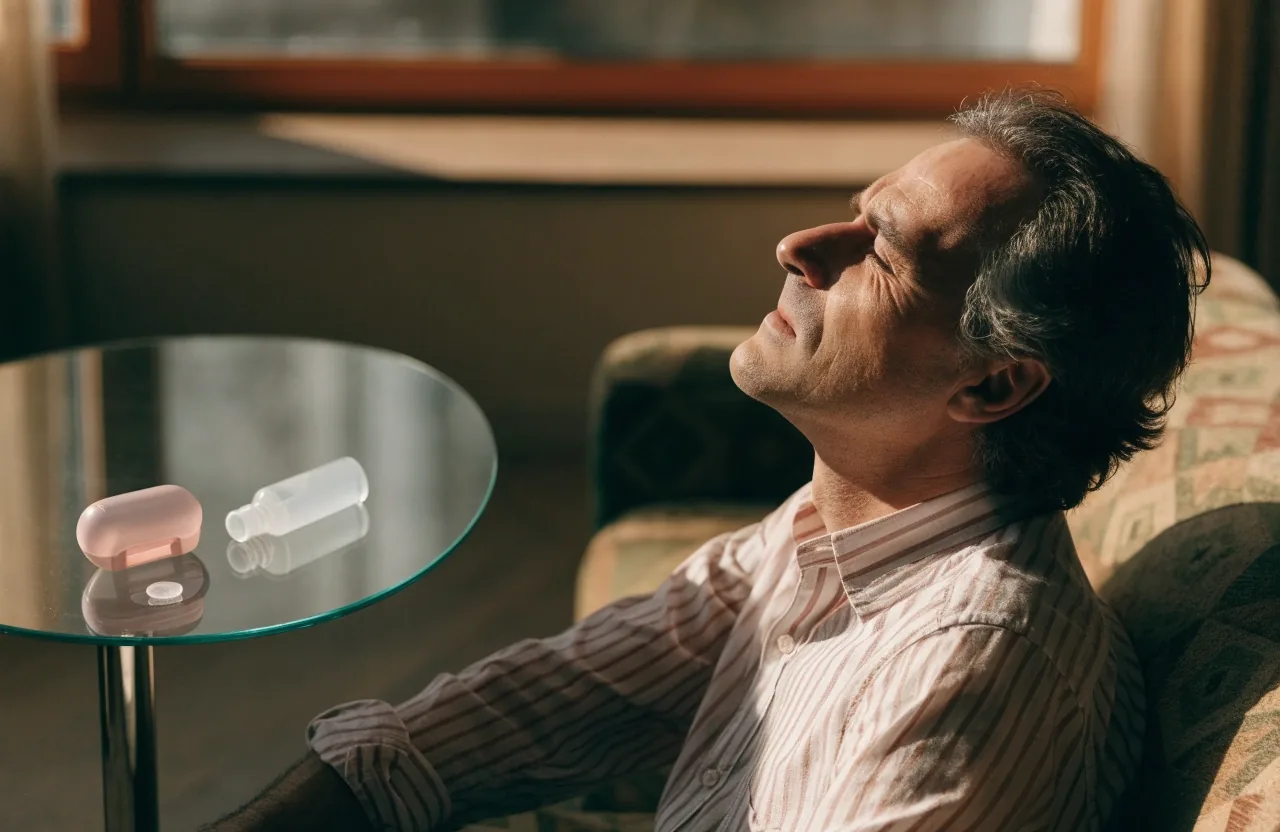
A predictable daily dip in comfort is normal for many wearers. A sudden change is not — that belongs in the next section, not in a wait-and-see approach.
- Gritty feeling
- often mid-afternoon
- Intermittent blur
- clears on blinking
- Heavy lens feel
- worst in dry rooms
Wearing time is a dial you can turn
Not every wearer needs the same number of hours. For sensitive eyes, wearing time may need to be shorter, especially at the start of a new lens or on dry days. Building hours up gradually and removing lenses when comfort drops works better than pushing through a bad afternoon.
If you consistently hit a wall at the same hour, that is information, not failure. Bring it to your next follow-up exam and describe the hour, the setting, and what you were doing. Fitters can adjust the lens, the material, or the wearing plan with that detail in hand.
Common comfort pattern across a wear day
The shape, not the exact numbers, is what matters: comfort is usually strongest in the morning and thins as the day and the room dry out. Aiming to remove lenses before the drop, rather than after, is the habit most wearers can change this week.

Daily disposables as a comfort-first option
Daily disposables are often discussed as a comfort-first option because there is no deposit buildup across days and no cleaning residue. For wearers whose comfort declines over a reusable lens cycle, that difference is noticeable.
They also remove the variables: no solution, no case, no question about whether the lens was cleaned properly last night. That is the honest trade — a new lens every morning, and no cleaning step that can quietly go wrong. If your comfort tends to drift by the end of a two-week cycle, a daily lens is worth raising at your next appointment.
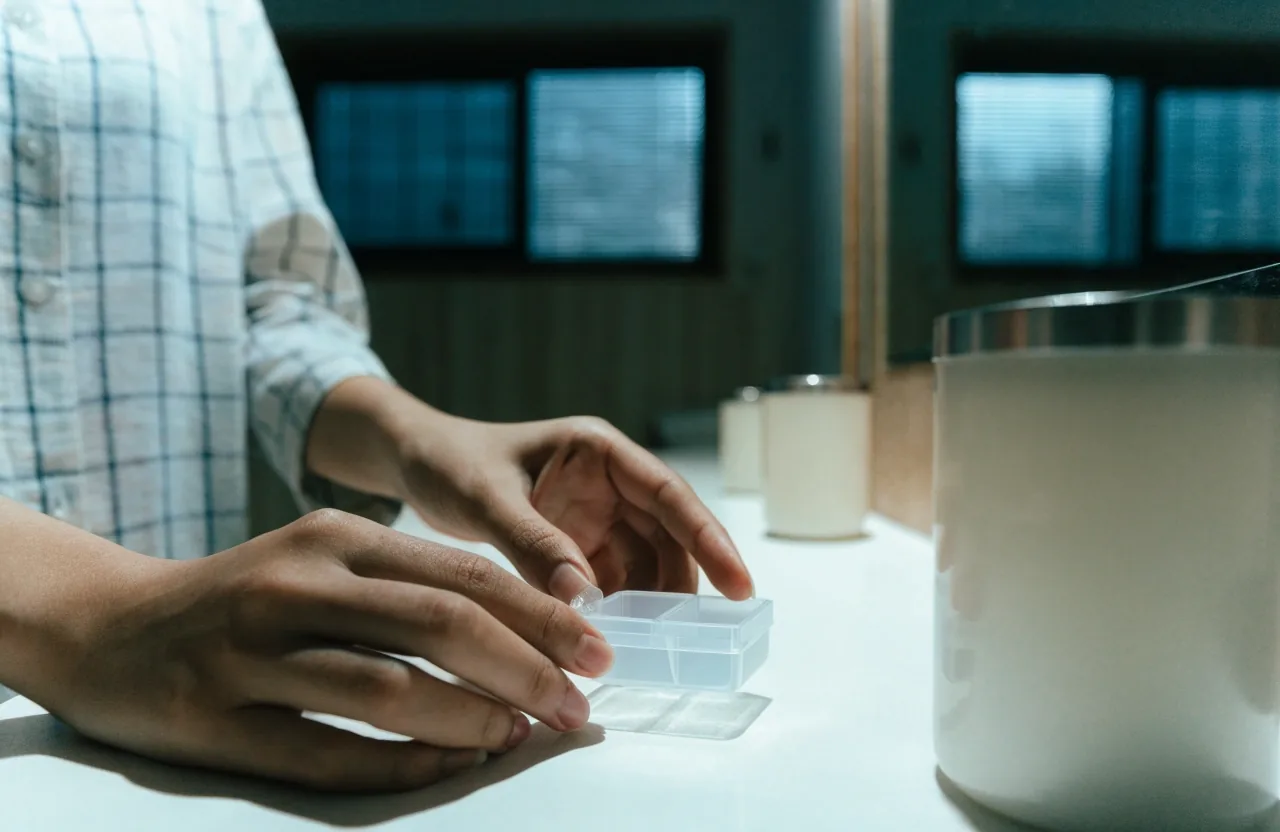
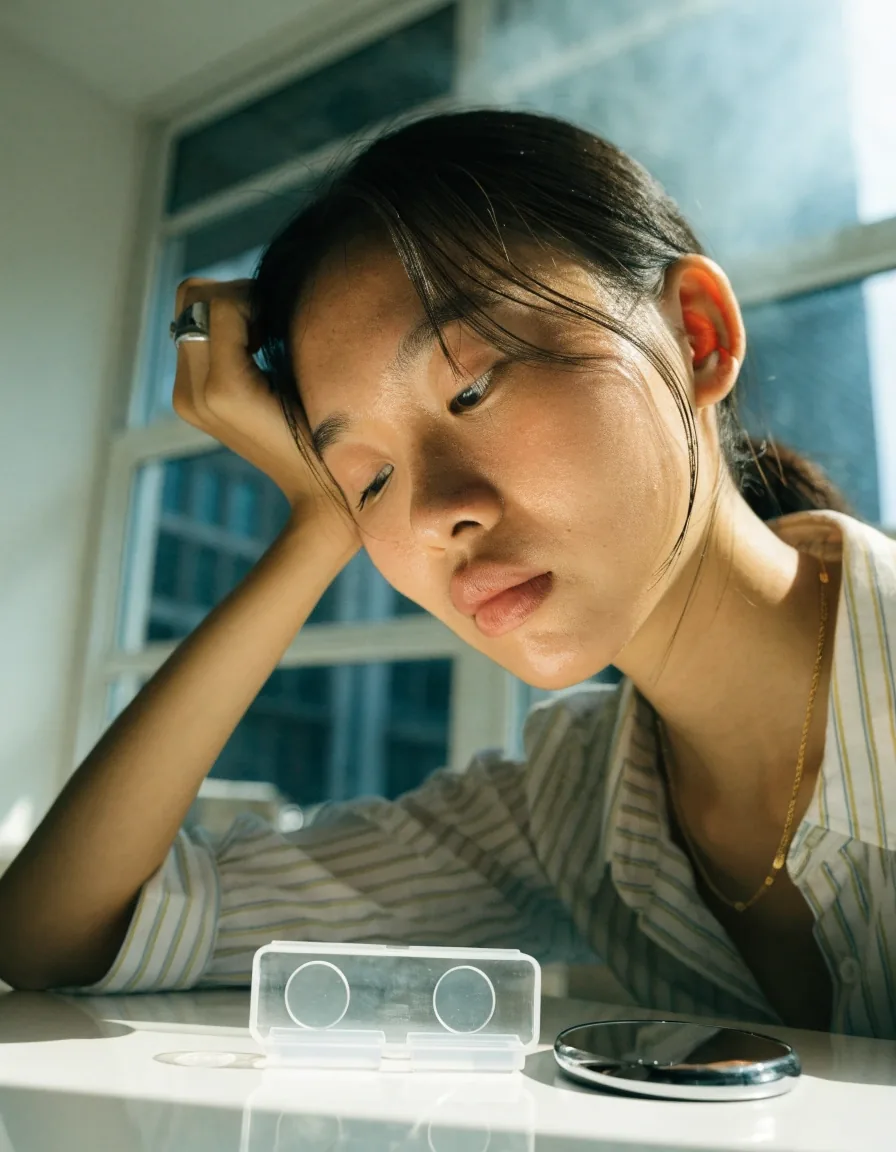
The empty case is the useful picture for this section: the lens that is not in the eye is the one doing no harm overnight.
Why overnight wear is a different category
Sleeping in lenses is generally discouraged unless your eye-care professional has specifically approved it. Night wear increases infection risk, and closed eyes mean less oxygen reaches the cornea — the transparent front surface of the eye that a lens sits on.
Even a short nap can matter if your lenses are not meant for overnight use. Daily disposables should not be slept in under any circumstances, including a nap on a long journey. If you wake up and a lens feels stuck, do not pull at it — use the rewetting drops your fitter recommended, wait for it to loosen, and if it still will not move comfortably, remove it with clean hands or get advice.
Extended wear lenses and the caution around them
Extended wear contact lenses can be worn for longer continuous periods than daily wear lenses, but they still carry higher infection risk than strict daytime use. Not all lenses are approved for sleeping, and approval applies to the specific lens and wearer — not to lenses in general.
That is why eye-care professionals typically pair extended wear with a tighter follow-up rhythm: more checks early on, closer attention to redness or irritation, and a clear rule for when the schedule ends early. Overnight wear is not something to add quietly to an existing routine.
Habits that reduce irritation
None of these habits is exotic. They are small, repeatable, and they compound. Start with the one that matches your worst afternoon.
Blink fully at a screen
Concentrated screen work cuts blink rate, which shortens the comfort window. A deliberate full blink every few minutes is the cheapest intervention on this list.
Break before, not after
Take a short break before your eyes turn gritty. Waiting until discomfort arrives training your routine to run behind the problem.
Move out of the airflow
Keep lenses away from moving air from fans and air-conditioning vents where possible. A seat change can do more than a product change.
Use drops as directed
Follow your fitter's guidance on rewetting drops, and mention any product you put in your eye — not everything is compatible with lens wear.
Take a no-lens evening
A few hours without lenses at home gives the cornea time off and lets you notice how your eyes feel at rest, without a lens in the way.
Write the pattern down
Note the hour comfort drops and what the room was like. Two weeks of notes is a stronger conversation than a vague description at the exam.
When discomfort means stop, not adjust
Mild end-of-day dryness is one thing. Persistent redness, pain, light sensitivity, or discharge is another, and those are reasons to remove your lenses and contact an eye-care professional. Sudden changes do not belong in the wait-and-see category.
Remove the lens, keep it, and describe what happened accurately when you get advice. Keeping the lens means the person advising you can examine it rather than guess. If you are unsure whether a symptom is urgent, call and describe it — that call costs less than waiting a week.
What to do with each signal
End-of-day dryness
Adjust the plan: shorter hours, breaks, drops, and a note for the next exam.
Persistent redness
Remove the lens and stop wearing it until you have spoken to an eye-care professional.
Pain or light sensitivity
Remove the lens, keep it, and seek advice the same day rather than waiting.
Discharge or a sudden change in vision
Stop wearing lenses and contact an eye-care professional promptly. Do not resume until you are advised to.
Questions wearers ask first
Three questions come up more than any others. The answers below are general guidance — your own lens type and history still decide your plan.
Is it safe to nap in contact lenses?
Sleeping in lenses is generally discouraged unless your eye-care professional has specifically approved it for your lens type. Short naps count too, and daily disposables should not be slept in — not even a brief one on a long trip.
Do extended wear lenses mean I can sleep in any lens?
No. Extended wear approval applies to the specific lens type and wearer. Extended wear lenses still carry higher infection risk than strict daytime use, which is why they come with a closer follow-up rhythm.
My eyes feel dry only in the office. What should I change?
Air conditioning, screen time, and reduced blinking are common contributors. Take breaks before discomfort starts, move away from direct airflow if you can, and raise the pattern with your eye-care professional so they can review your wear plan.
Where to go next
Bright Focus Way
Jl. Kemang Raya No. 27, Bangka, Mampang Prapatan, Jakarta Selatan, DKI Jakarta 12730, Indonesia
Monday to Friday, 9:00 AM – 6:00 PM · Saturday, 9:00 AM – 1:00 PM
Reading this from Jakarta?
Bright Focus Way is an educational resource for contact lens wearers in Indonesia. If your comfort pattern has changed recently, or you are considering extended wear for the first time, the useful next step is a conversation with an eye-care professional — bring the pattern, not just the symptom.
Visit us at Jl. Kemang Raya No. 27, Bangka, Mampang Prapatan, Jakarta Selatan, DKI Jakarta 12730, Indonesia. Call +62 21 5293 1949 or email [email protected] during working hours. Saturday mornings are open until 1:00 PM.